“Now I sleep without worry”: How cash support changed Mahamud’s life.
19 Feb, 2026
“Now I sleep without worry”: How cash support changed Mahamud’s life.
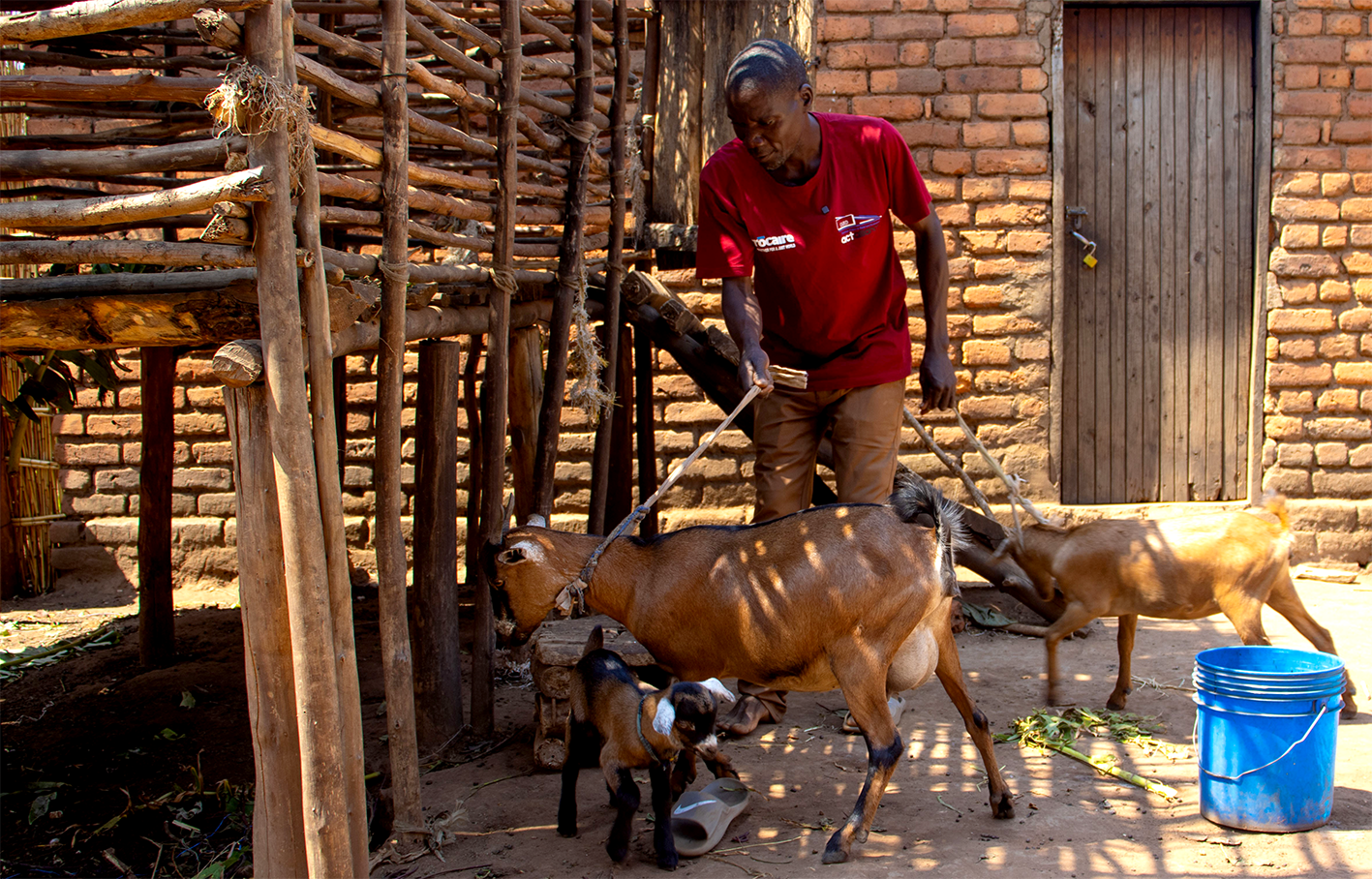
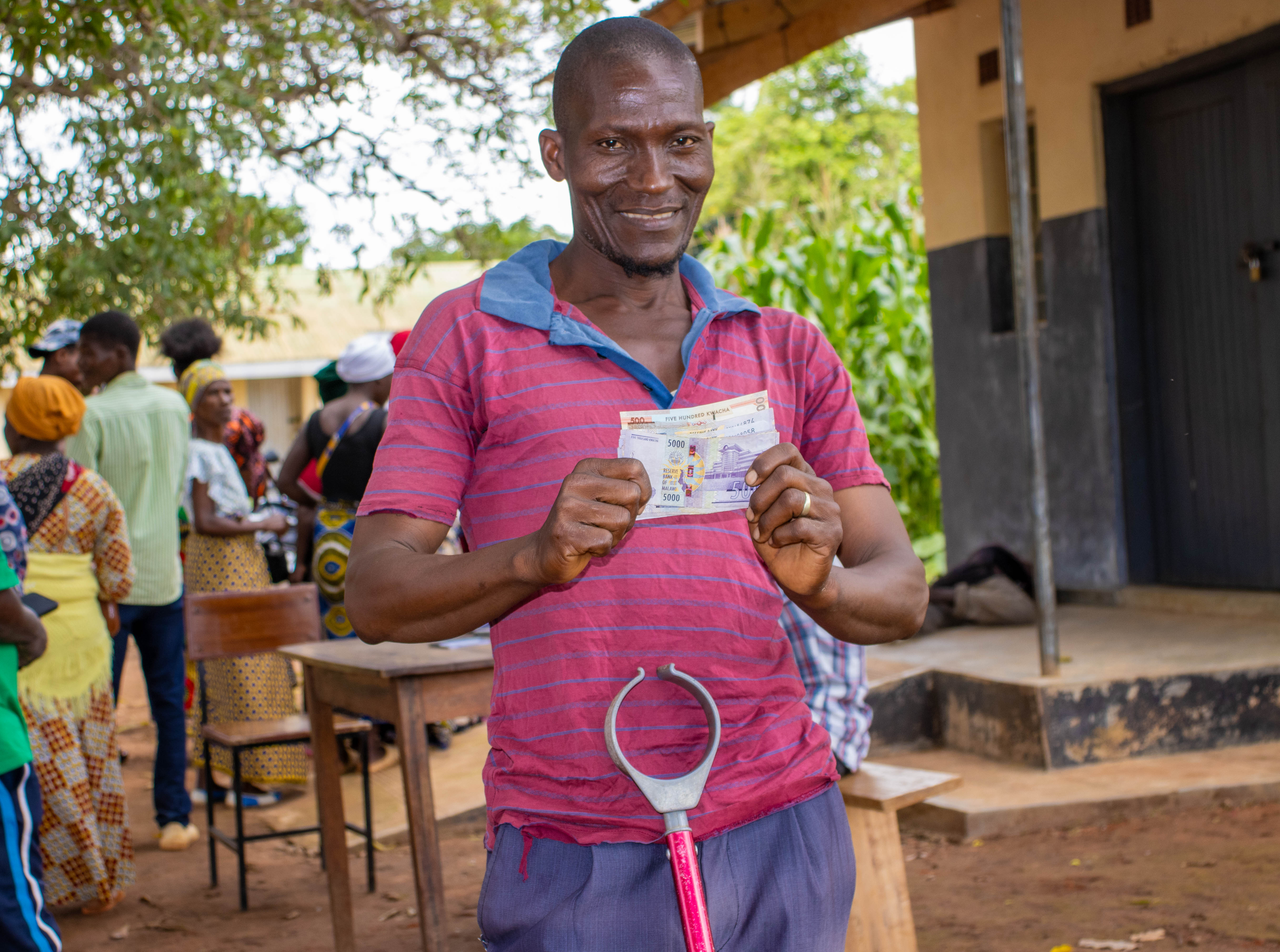
Every morning, Mahamud Yusuf Mtamile, a 47-year-old father of four from Machinga, wakes up knowing that even the smallest task will cost him pain. Mahamud uses an artificial leg. For many years, he tried to survive through piecework like other men in his community. But the long walks, the heavy lifting and standing for hours were too much for his body.
“Doing piecework is never easy for me, when I try, the pain becomes too much. And when I cannot work, my children do not eat.” he says quietly. Feeding his family became a daily fear. Some days, Mahamud did not know where the next meal would come from. That fear began to ease when he was selected to receive cash support during the lean season. When Mahamud received his first cash transfer in December, he did not hesitate.
“I went straight to buy food, for the first time in a long while, my house had enough maize.” he said with a smile. As the food began to run low, the worry started to return. Mahamed received another case transfer in January 2026 which was just in time. “Now I am all smiles, this money will help me buy two bags of maize and some relish. I know my children will eat. I can sleep without worry.” Mahamud said.
The support means more than food. It gives Mahamud dignity the ability to choose what his family needs and provide for them in his own way. “I know I will be safe until I harvest from my small maize garden,” he added. “God bless you."
Mahamud is among 385 vulnerable
people receiving cash support in Traditional Authorities Chamba and Mposa in
Machinga District. The project supports families most at risk, including people
living with disabilities, elderly caregivers, female- and child-headed
households. Instead of food aid, households receive cash to buy what they need
most, supporting local markets and restoring dignity. Each participant receives
MWK 90,500 over three months (December 2025–February 2026), with support from
Trócaire in response to El Niño-driven food insecurity across Malawi.
This intervention builds on the
efforts already being made by the Government of Malawi and UN agencies. By
providing cash transfers, we are helping families meet their most urgent needs
and filling the gaps left by limited coverage, especially given the sheer
number of households affected.
We are working hand in hand with
the Department of Disaster Risk Management Affairs, the Department of Social
Welfare, the Department of Agricultural Services, and members of the District
Disaster Risk Management Committees. Together, we are ensuring that support
reaches the people who need it most, in a way that is coordinated, practical,
and responsive to the realities on the ground.