Hope rising around Lake Chilwa: Communities taking the lead
11 Feb, 2026
Hope rising around Lake Chilwa: Communities taking the lead
Earlier this week, we travelled
to Machinga and Zomba to see firsthand how communities are transforming their
lives through the Community-Led Planning and Management for Biodiversity
Protection and Resilient Communities project in the Lake Chilwa catchment
area.
What we found was more than
progress reports and statistics. We found stories of determination, teamwork and hope.
In Traditional Authority
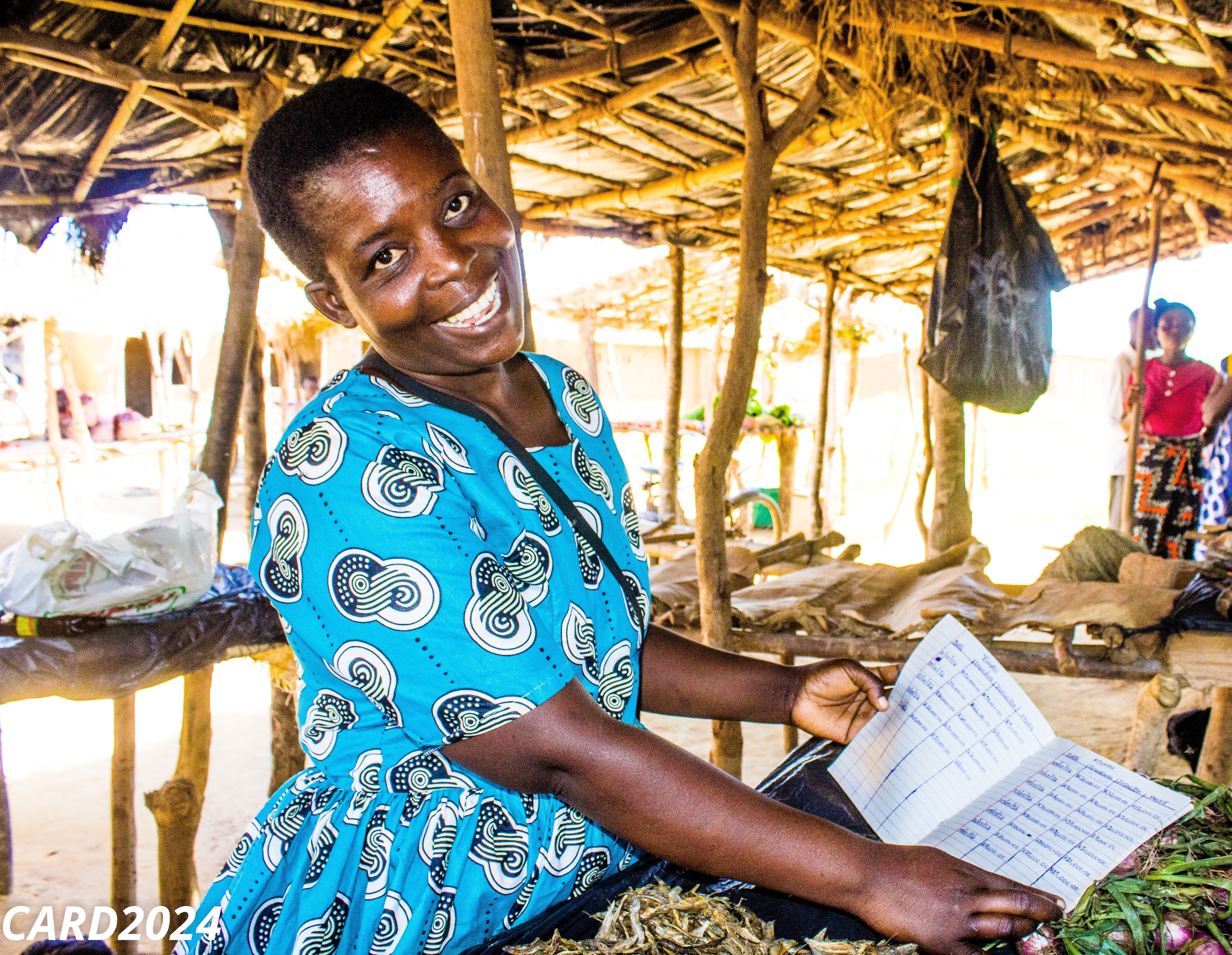
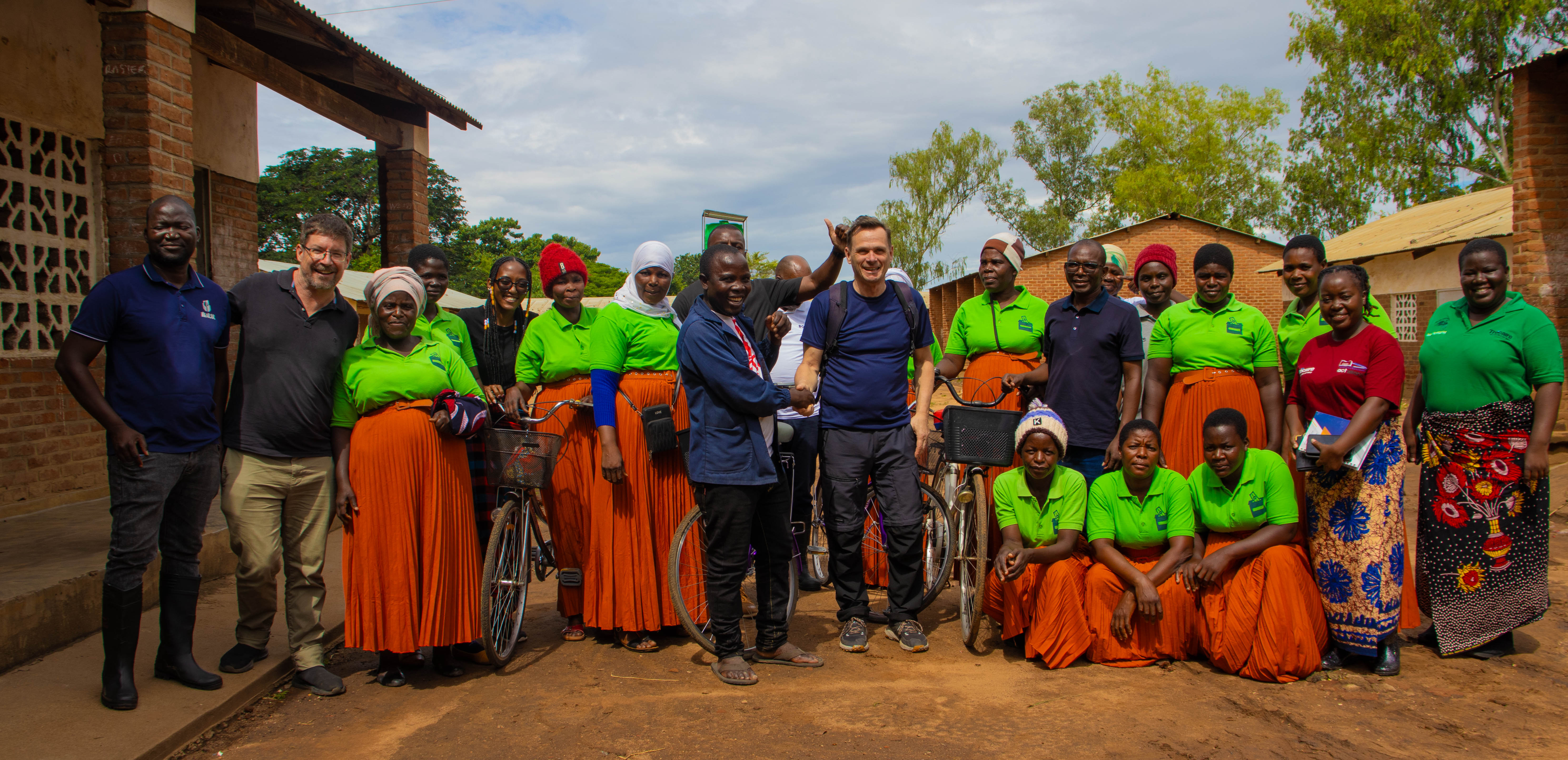
Kuntumanji, Group Village Headman Namasalima in Zomba district members of Katanda Village Savings and Loans
(VSL) group gathered proudly to share their journey. The group received a capital
of 5 million Malawi Kwacha. The VSL operates as an off-taker business,
purchasing rice from fellow farmers within the community and selling it to
markets beyond the local area
But the real impact is seen in
their daily lives. Some members have bought push bicycles, making it easier to
travel to markets and clinics. Others have built stronger homes for their
families. Laughter and confidence filled the air as they spoke about their next
dream: purchasing a rice miller to boost their businesses even further.
Their story is a powerful
reminder that when women are given opportunity and trust, they do not just
improve their own live they uplift entire communities.
We are implementing the project
with funding from Jersey Overseas Aid and the Scottish Catholic International
Aid Fund (SCIAF) through Trócaire, implemented in partnership with CISONECC and
ICRAF. The project is active in Zomba, Machinga and Phalombe—districts that
surround the Lake Chilwa Basin.
At its heart, the project is
about people and the environment they depend on. Lake Chilwa is more than
water; it is a source of food, income and identity. By supporting sustainable
land management, biodiversity protection and income-generating activities, the
initiative is helping communities become stronger and more resilient while
protecting the ecosystem that sustains them.
During the visit, SCIAF Programme
Officer Jonathan Dames expressed his appreciation for the visible progress on
the ground. He commended the communities for their commitment and hard work,
noting that the results reflect true local ownership.
Over four years, the project aims
to reach 9,000 households across twelve Traditional
Authorities in the three districts. Importantly, 60% of direct beneficiaries
are women, alongside youth and persons with disabilities, ensuring that those
often left behind are part of the change.
As we left Machinga and Zomba,
one thing was clear: this is not just a development project. It is a story of
resilience, of women daring to dream bigger and of communities protecting the
lake that gives them life. Around Lake Chilwa, hope is growing one household,
one business and one restored landscape at a time.